
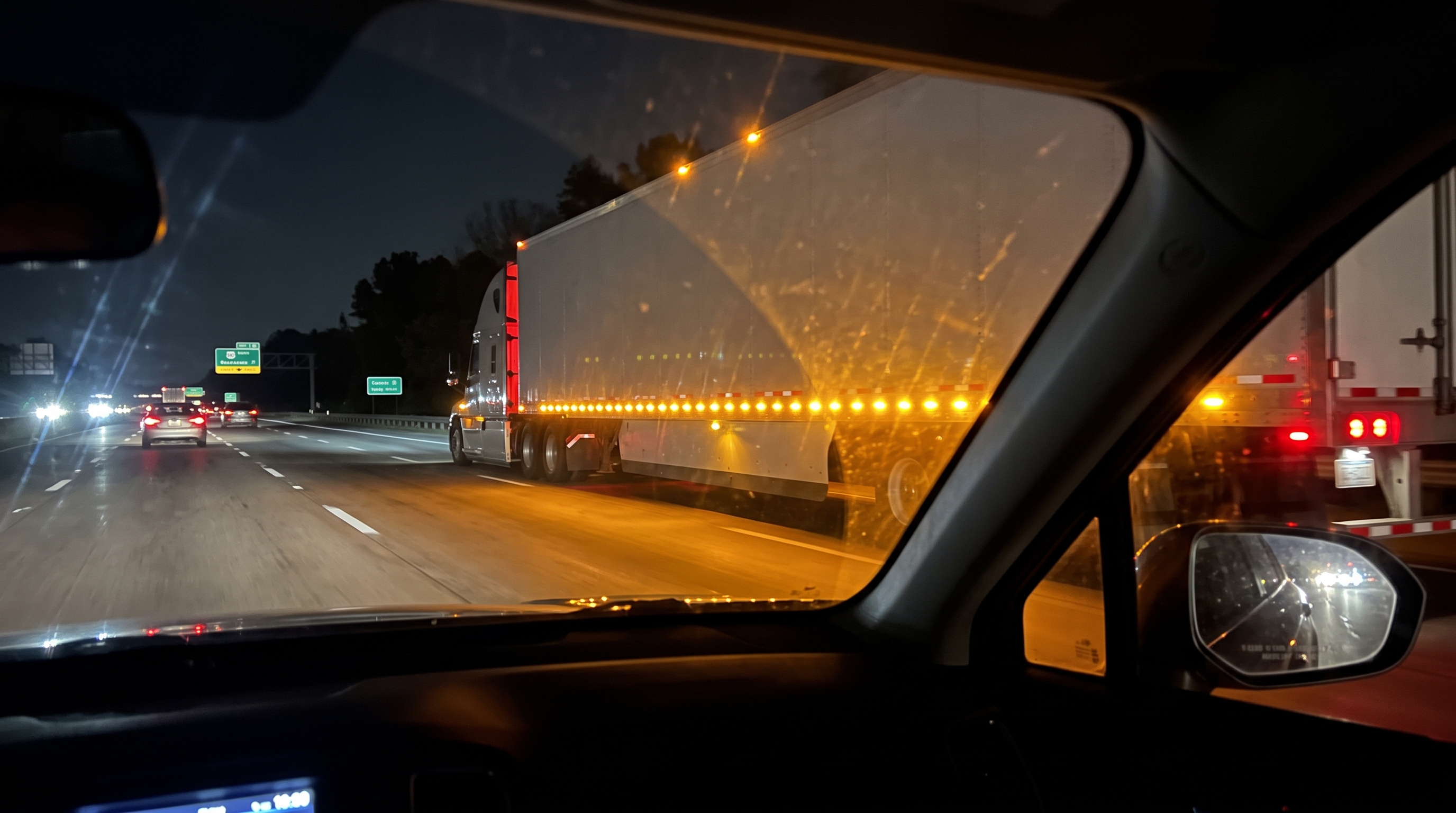

Driving a car or motorcycle at night on poorly lit roads is a major challenge for all road users, especially when driving alongside or passing a large truck that is many times longer than a normal vehicle. A truck’s ‘Blind Spots’ therefore become a silent danger that easily causes accidents. And this is the reason why a small piece of equipment like Side Marker Lights becomes a true hero that saves lives and massively reduces accidents on the road.
What are ‘Side Marker Lights’?
Side Marker Lights are a set of small light bulbs installed in a row at intervals along the side of the truck body, pickup bed, or trailer. Generally, laws and international standards require the use of Amber or Red colors, depending on the installation position, to act as a universal symbol communicating the extent of the vehicle to fellow drivers.

Key Benefits That Make Side Marker Lights Indispensable for Trucks
* Effectively Reduces Blind Spot Issues: Trucks have large blind spots on both the left and right sides that side mirrors cannot fully cover. Having clearly illuminating side marker lights along the entire length helps drivers of small cars or motorcycles who are driving alongside in a blind spot to immediately spot the truck and be careful not to drive too close.
* Indicates the True Size and Length of the Vehicle: In the dark, other drivers can barely estimate the length of an 18-wheeler or 22-wheeler trailer. Side marker lights lined up together act as an ‘Outline’ that clearly draws the shape of the vehicle, helping the following car calculate the time and distance needed to accelerate and pass safely and accurately.
* Increases Safety When Turning Left-Right or Changing Lanes: When a large truck needs to turn, the trailer often eats into the adjacent lane space (making a wide turn). Bright side marker lights act as a warning to vehicles on the side or behind, making them aware of the trailer’s movement, preventing accidents from being sideswiped or swept by the trailer.
* Serves as an Observation Point When Having to Park Emergently on the Side of the Road: If a truck malfunctions and has to park on the shoulder at night, flashing or constantly illuminating side marker lights will help vehicles traveling at high speeds to see the obstacle from a distance and change lanes to avoid it in time.

How to Upgrade Side Marker Lights for Maximum Value and Safety
Choosing side marker lights for commercial trucks is not just about choosing the brightest lights, but durability must be the primary consideration.
- Choose LED Technology: LED bulbs provide clearer brightness, fight rain and fog better than old halogen bulbs. They also consume less power and do not increase the load on the truck’s alternator system.
- Look for Water and Dust Resistance Standards (IP Rating): Because the installation location is on the side and near the wheelbase, side marker lights must face mud, standing water, and water pressure from washing the car. You should choose a model with an IP67 or IP68 standard to prevent water from entering the lamp and causing a short circuit.
- Lamp Material Must Be Resistant to UV Rays and Vibrations: The plastic lamp cover should be made from Polycarbonate material, which is tough, resistant to rock impacts, and does not easily yellow or turn cloudy when exposed to the sun for a long time.
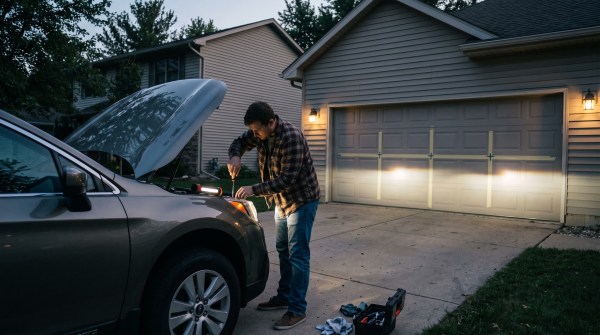
Prioritizing the lighting system and the installation of standard side marker lights is not just complying with the laws of the Department of Land Transport, but it also shows a sense of responsibility to the public on the part of operators and truck drivers. Investing in high-quality lighting systems from a reliable distributor is therefore the most worthwhile investment to prevent potentially incalculable losses on the road.
Interested in upgrading to high-quality waterproof headlights or inquiring about wholesale orders? Contact us directly at:
📱 WhatsApp: +66827707507